From hex words to a compiler
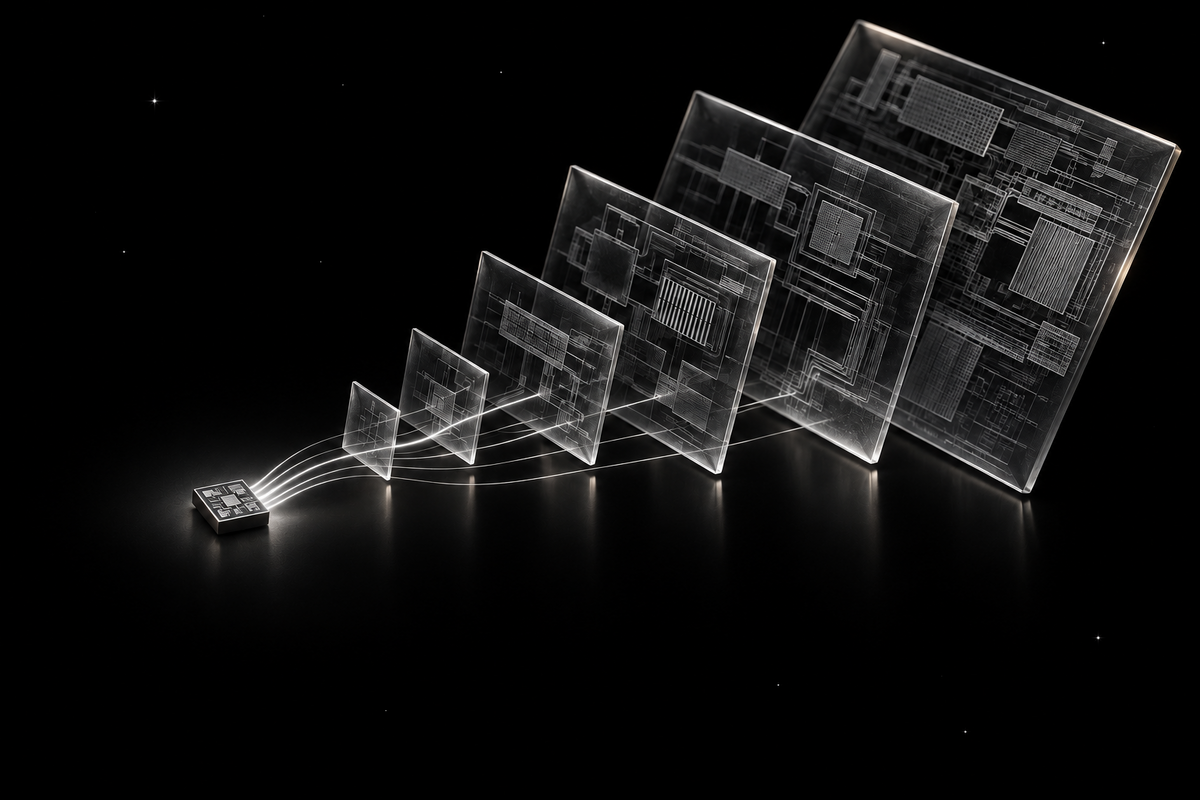
10Read downward. Each row describes what becomes possible at that rung. The shell performs the first conversion, from written hex to machine bytes. Each program that follows builds the next one. Seed source and rung records.
11-
13
- Hand-written hex
load0.shuses shellprintfto turnseed0.hexinto executable bytes.
14 - The 408-byte loader
seed0reads eight hex digits at a time, emits machine words and buildshex1.
15 - Names for jumps
hex1resolves labels into branch distances and buildsasm2.
16 - Names for instructions
asm2uses an Arm instruction table to encode assembly and buildom4.
17 - A language for the compiler
om4reads enough Omegese to compileomc.ominto the firstomc.
18 - The compiler builds itself
omcrecompiles the same source. The challenge compares the resulting stage binaries byte for byte.
19
asm2. Challenge and expected hashes.What the first program actually does
23The hex source includes a Linux ELF header and the Arm instructions that follow it. The header tells Linux how to load and start the program. The instructions read text, ignore spaces and comments, and write the binary value of each complete word. A bad character or an unfinished word is rejected. This is enough to build a slightly more capable program from another text file. Read the annotated seed.
24Why the intermediate steps matter
25A label replaces a hand-counted branch distance. An instruction table replaces hand-encoded operands. Omegese replaces rows of assembly with named values, typed operations and structured branches. Each step removes a chore from the author and gives the next tool a larger vocabulary. The assembly table cites the Arm manual, so an instruction can be checked against an independent description. Rung walkthrough and controls.
26Rebuild the published check
27Use a 64-bit Arm Linux host with Git, a POSIX shell, awk, sed, tar and Coreutils. Clone with history so the challenge can find the revision named in its expected table. The command builds in a scratch directory inside the checkout and writes its log to build/seed/challenge/challenge.log. Reproduction instructions.
git clone https://interplane.io/projects/omega-mv/repo.git omega-mv

29 cd omega-mv

30 sh seed/challenge/run.shThe challenge selects its own source pin and compares the rungs with the published SHA-256 table for that pin. A match establishes a reproducible build along this chain. Program behavior takes separate tests. A different release or target needs its own evidence. When reading a result, look for the revision, the commands, the hashes and a control that was deliberately broken. How to read evidence.
32 33